Rising to 3,726 meters, Mount Rinjani is Indonesia’s second-highest volcano and one of the most remarkable trekking spots in Southeast Asia. With its dramatic landscapes, crater lake, and breathtaking sunrise views, planning a trek to Rinjani requires more than just physical preparation—it demands a solid understanding of the weather conditions that define your entire journey.
In this guide, we dive deep into the Mount Rinjani weather patterns, including seasonal variations, rainfall, temperatures, and the best time to trek, so you can plan your adventure with confidence.
Understanding Mount Rinjani’s Climate
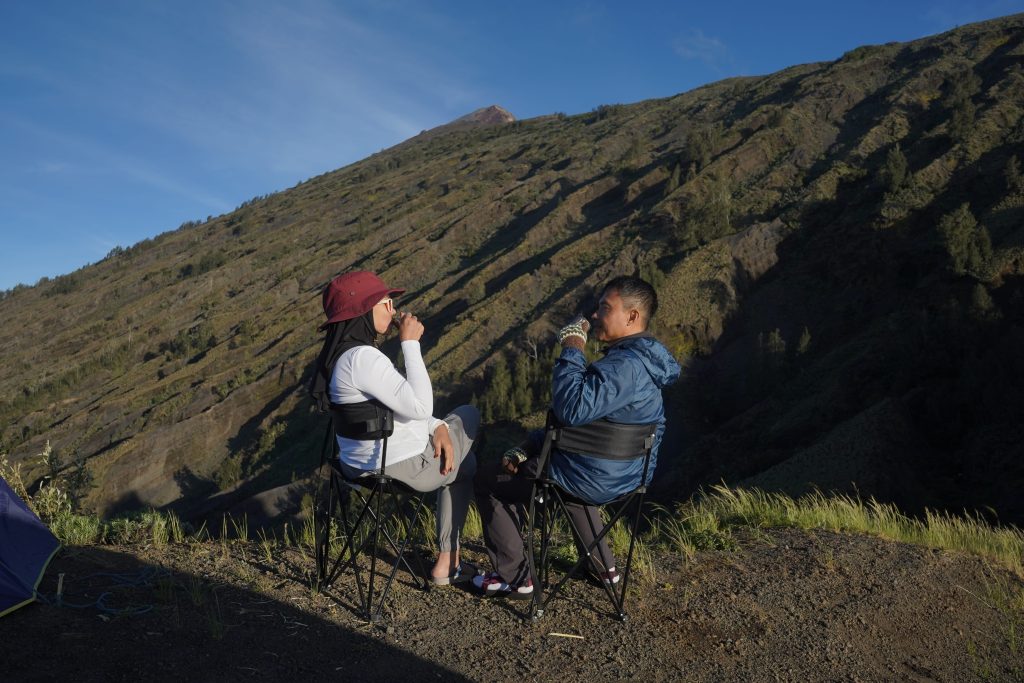
Situated on the tropical island of Lombok, Mount Rinjani experiences two main seasons: the rainy season and the dry season. Being a high-altitude volcano, the mountain also has dramatic temperature shifts depending on elevation.
- Dry Season (April – November): Clear skies, minimal rain, and excellent visibility make this the prime trekking period.
- Wet Season (December – March): Heavy rainfall, muddy trails, and limited accessibility lead to the closure of official trekking routes.
At higher altitudes, particularly near the summit, temperatures can drop sharply, making it feel much colder than the tropical island below.
Dry Season: Best Time for Trekking
The dry months are considered the best period for trekking Mount Rinjani.
- Weather Conditions: Sunny days, cooler nights, and limited rainfall create favorable trekking conditions.
- Visibility: Clear skies allow unobstructed views of the crater lake, Mount Agung in Bali, and even Mount Tambora in Sumbawa on exceptionally clear mornings.
- Trail Quality: With little to no rain, trails remain stable and less slippery, making the ascent safer and more enjoyable.
Month-by-Month Breakdown (Dry Season)
- April: The start of the dry season; trails reopen after months of closure. Fresh greenery makes the scenery vibrant, though occasional showers may still occur.
- May – June: Cooler temperatures, fewer crowds, and excellent conditions for trekking.It is an excellent choice for travelers who prefer a more peaceful adventure.
- July – August: Peak trekking season due to holiday periods. Expect large crowds, busy campsites, and a vibrant atmosphere at the summit.
- September – November: Still dry, but slightly warmer than mid-year. Fewer trekkers and beautiful sunsets make this period attractive for nature lovers.
Wet Season: Why Trekking is Restricted
From December through March, Mount Rinjani enters its rainy season, bringing heavy downpours, storms, and unpredictable weather patterns.
- Trail Hazards: Muddy, slippery, and eroded paths increase the risk of accidents.
- Visibility Issues: Clouds and fog often obscure the mountain’s panoramic views.
- National Park Closure: To ensure safety and protect the fragile ecosystem, the Mount Rinjani National Park Authority officially closes trekking routes during these months.
For travelers visiting Lombok during the wet season, Rinjani remains a stunning backdrop, but trekking activities are not possible.
Temperature Variations by Altitude
One of the most critical aspects of Mount Rinjani weather is the dramatic temperature change with elevation.
- Base (Senaru or Sembalun, 600–1,000m): Warm and humid with average daytime temperatures around 25–30°C (77–86°F).
- Crater Rim (2,600–2,700m): Much cooler, with daytime temperatures around 10–15°C (50–59°F) and nighttime dropping close to 5°C (41°F).
- Summit (3,726m): Harsh and cold. Temperatures often fall below 0°C (32°F) at night and in the early morning, with strong winds making it feel even colder.
Proper layering is essential for trekkers, as the shift from tropical heat at the base to alpine chill near the summit can be extreme.
Wind and Weather Challenges at the Summit
Even in the dry season, the summit climb (starting around midnight) is notoriously difficult due to high winds and freezing conditions. Trekkers often face icy gusts and loose volcanic gravel, making the ascent challenging.
Carrying windproof jackets, gloves, and thermal wear is crucial for enduring the harsh summit environment. Without proper gear, many trekkers are forced to turn back before reaching the peak.
Sunrise and Sunset Conditions
Watching the sunrise from Mount Rinjani’s summit is among the most unforgettable highlights of the trek.
- During the dry season, the sunrise often unveils clear horizons, offering breathtaking views of Bali and the Gili Islands.
- Wet Season Sunrises: Often obstructed by heavy cloud cover, reducing visibility.
Similarly, sunsets from the crater rim provide spectacular photography opportunities, with vivid colors reflecting over Segara Anak Lake.
Packing Tips Based on Mount Rinjani Weather
To prepare for the mountain’s changing weather conditions, trekkers should bring:
- Warm Clothing: Thermal base layers, fleece, gloves, and hats for cold summit nights.
- Rain Protection: Waterproof jackets and covers, especially if trekking early or late in the dry season.
- Sturdy Footwear: High-quality hiking boots with good grip for both dry and damp terrain.
- Sun Protection: Sunglasses, hats, and sunscreen, as UV exposure is strong at high altitudes.
- Hydration: Despite cool summit conditions, dehydration is common. Always carry enough water.
Why Understanding Mount Rinjani Weather is Essential
Planning around Mount Rinjani’s weather patterns ensures:
- Safety: Avoiding treks during heavy rains reduces accident risks.
- Comfort: Proper clothing and gear help trekkers manage temperature shifts.
- Memorable Experiences: Choosing the right season maximizes visibility and scenic rewards.
For those planning to summit, timing the trek in the dry season months of May to September offers the best chance of success.
Conclusion
Mount Rinjani is a breathtaking natural wonder that rewards trekkers with stunning views and unforgettable experiences. However, understanding the weather conditions is the key to a safe and enjoyable adventure. By aligning your trip with the dry season, packing the right gear, and preparing for temperature extremes, you maximize your chances of a successful summit and a once-in-a-lifetime journey.