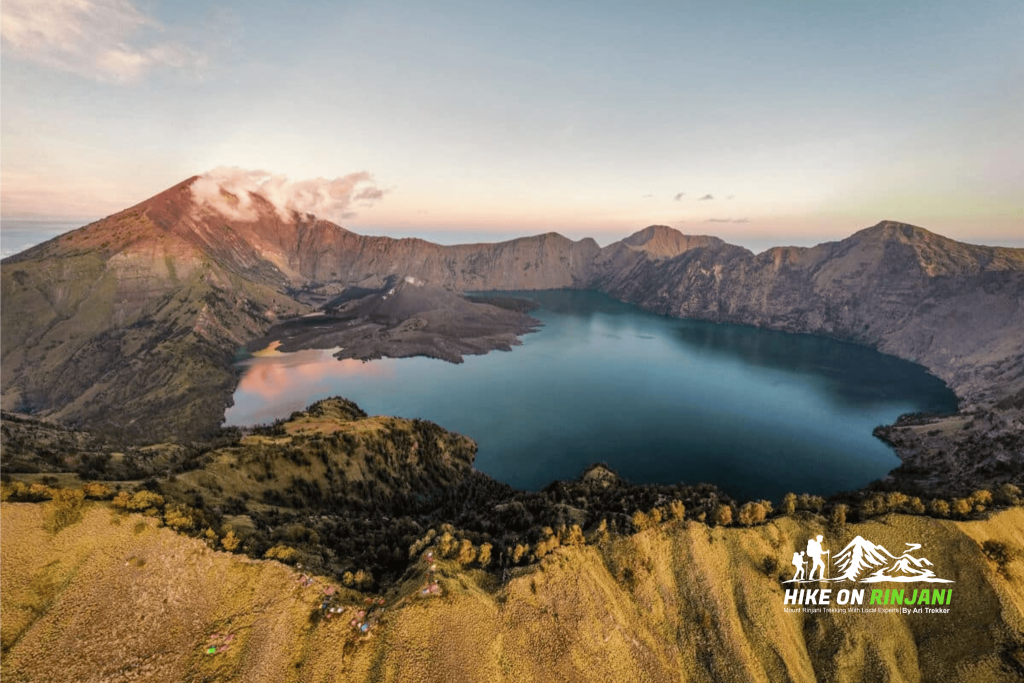
Climbing Mount Rinjani is a dream for many adventure seekers. This majestic volcano, located on Lombok Island, offers breathtaking views and a challenging trek.
Choosing the right route is crucial for a successful climb. Each trail offers unique experiences and varying levels of difficulty.
The most popular starting points are Senaru, Sembalun, and Torean. Each has its own charm and challenges.
Senaru is known for its lush forests and scenic beauty. Sembalun offers expansive views and is favored for summit attempts.
Torean is less traveled, offering a rugged and adventurous experience. Understanding these routes helps in planning your trek.
Weather conditions can change rapidly on the mountain. Proper preparation is essential for a safe and enjoyable climb.
Permits are required to enter Rinjani National Park. Hiring a local guide is highly recommended.
Embark on this journey with the right knowledge and preparation. Your Mount Rinjani adventure awaits.
Overview of Mount Rinjani and Its Significance
- Home to Segara Anak, the picturesque crater lake
- Rich biodiversity, with unique wildlife
- Cultural importance to local communities
Climbing Mount Rinjani is not just a physical journey. It is a spiritual experience that connects you with nature and local culture.
Understanding Mount Rinjani Climbing Routes
Mount Rinjani offers several climbing routes, each with distinct features. Choosing the best route depends on your experience and goals.
The Senaru, Sembalun, and Torean routes are the most famous. They each provide unique experiences and scenic views.
Several factors should be considered when choosing a route:
- Your fitness level and trekking experience
- Desired duration of the trek
- Preference for forested or open landscapes
Senaru is known for lush forest scenery, making it quite popular among nature lovers. Sembalun provides a less vegetated path, with expansive panoramas suiting those eyeing the summit. On the other hand, Torean is for the rugged adventurer seeking a less-trodden path. Understanding these routes helps match your needs with the right adventure. Each trail promises a different challenge and reward.
Senaru Route: The Classic Forest Trail
The Senaru route is famous for its dense and diverse forests. This trail offers trekkers a lush, green journey.
As you begin the Senaru trail, you immediately enter a tranquil jungle atmosphere. Towering trees and vibrant flora surround you.
The route provides shade and cool temperatures, thanks to the thick canopy above. This makes it quite comfortable, even during hot days.
Senaru is often chosen for its scenic beauty. It is a favorite among photographers and nature enthusiasts.
While the ascent is gradual, the dense environment can be challenging for some. The trail requires surefootedness to navigate its sometimes rugged paths.
The journey rewards trekkers with breathtaking views. As you rise, you’ll encounter stunning overlooks of the crater and surrounding landscapes.
Trekkers often spend a night at the crater rim. Here, they enjoy expansive views of the crater lake, Segara Anak.
Senaru is more than just a path to the summit. It’s a deep dive into Mount Rinjani’s flora and fauna.
A typical trek on Senaru takes two to three days. Most trekkers opt to hire a guide to enhance their experience.
Highlights of the Senaru Route
The Senaru route boasts several highlights that draw trekkers from around the world.
Key highlights include:
- Dense forest cover providing shade and beauty
- Rich biodiversity with unique plants and wildlife
- Stunning views of the crater lake and rim
Another major attraction is the natural springs along the path. These are perfect for a quick refreshment during the hike.
Cultural interactions in Senaru village also enrich the journey. The local Sasak people share their traditions and stories.
Finally, camping at the crater rim offers unforgettable sunsets and starry skies. These natural wonders captivate every trekker.
Challenges and Who Should Choose Senaru
The Senaru route is not without its challenges. The dense forest can make the trail slippery, particularly after rain.
This route is ideal for those who appreciate nature and forest landscapes. However, it demands endurance due to its length and terrain.
The Senaru route suits trekkers who seek a more immersive nature experience. It is great for beginners as well, given its gradual incline.
Sembalun Route: The Summit Seeker’s Path
The Sembalun route attracts those aiming for the summit. This path begins in the open hills of Sembalun.
Trekkers start their journey through wide grasslands. Unlike Senaru, this route offers fewer trees and more expansive vistas.
The climb starts gently, ideal for warming up. The altitude increase is not abrupt, making it a preferred option.
Sembalun is more exposed to the elements than other routes. This exposure offers uninterrupted views but requires preparation for sun and wind.
The route is renowned for its excellent vantage points. Trekkers are treated to panoramic views of Mount Rinjani’s peak.
Climbers often reach the base camp by late afternoon. It’s positioned right under the daunting Rinjani summit.
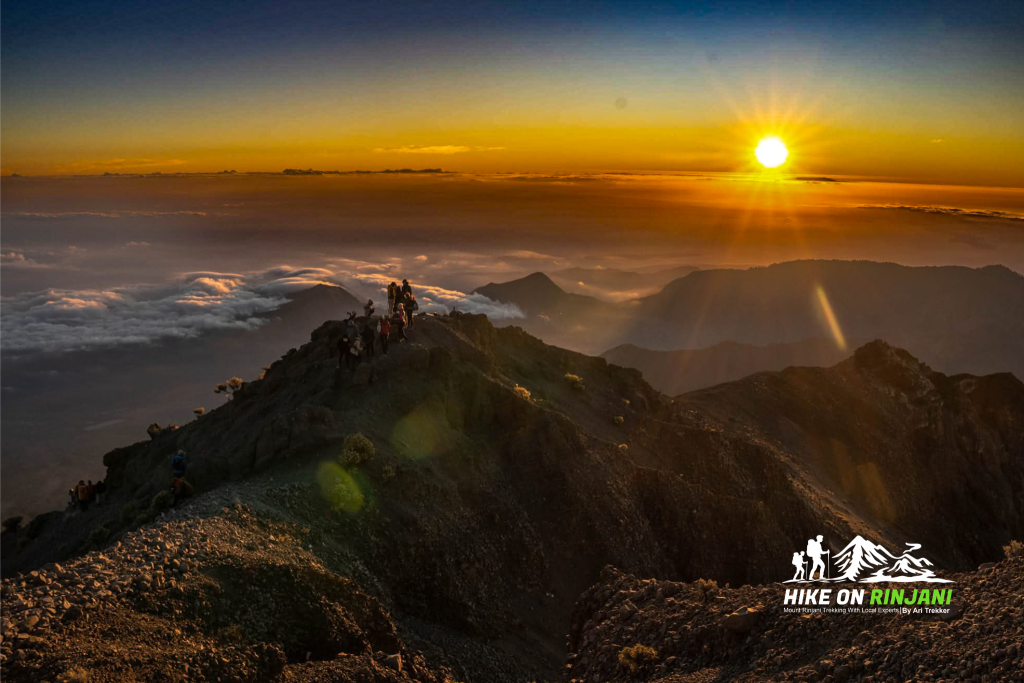
An early morning rise, often around 2 AM, is required for the final ascent. This early start ensures trekkers witness a breathtaking sunrise.
The path to the summit is steep and rocky. However, the rewarding sight from the top is worth every step.
Concluding with a descent into the crater, trekkers can soak their tired limbs in nearby hot springs. Many find this therapeutic after such a demanding trek.
Highlights of the Sembalun Route
The Sembalun route is rich with diverse, captivating scenes. It offers impressive natural beauty and unforgettable challenges.
Notable highlights include:
- Panoramic views from wide open hills
- Immediate elevation for wide-ranging vistas
- Stunning sunrise experience from the peak
Another highlight is the unique opportunity to enjoy untouched wilderness. The trek gives climbers an unmatched sense of space.
En route, interacting with fellow trekkers offers camaraderie and shared experiences. This bond enhances the overall journey.
Lastly, the path offers a unique final reward: a natural hot spring soak. This is an ideal way to end the adventure.
Challenges and Who Should Choose Sembalun
While appealing, the Sembalun route presents challenges. Its exposure can lead to sunburn and fatigue from lack of shade.
This route is best for experienced trekkers and those with a good fitness level. It’s ideal for those focused on reaching the summit quickly.
Adventure seekers who prefer open views and a direct ascent to the peak will find Sembalun engaging. This route suits those ready for a physical test.
Torean Route: The Adventurer’s Choice
The Torean route is for those desiring solitude and adventure. Less traveled, it offers a rugged and raw trekking experience.
Starting from the Torean village, the path diverges through lush landscapes and vast wilderness. This route is beloved for its untamed beauty.
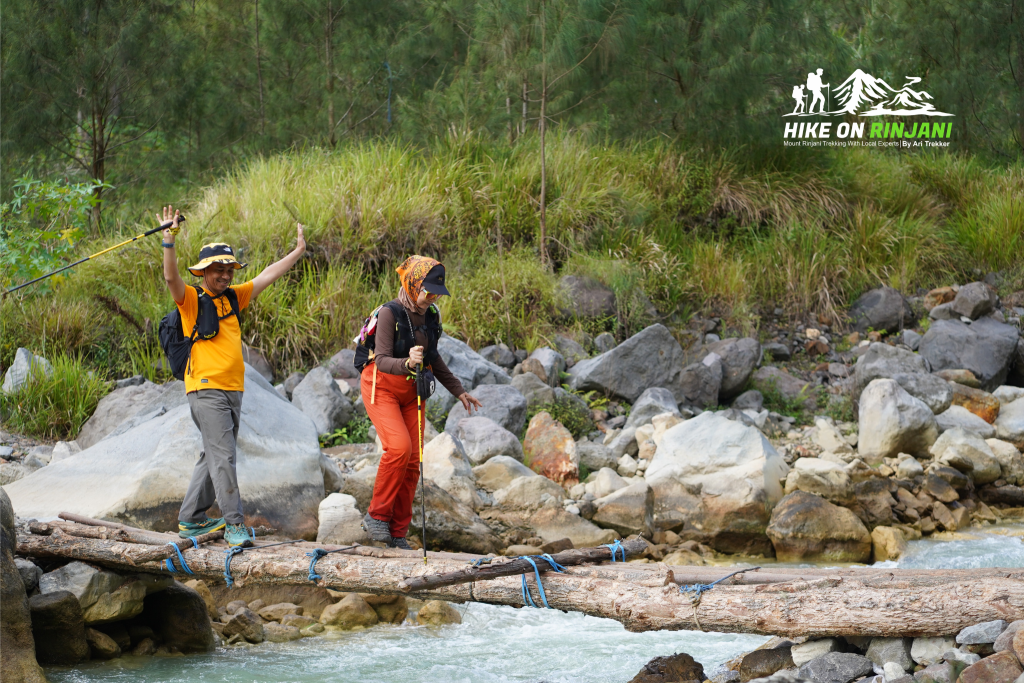
Trekkers encounter varied terrains, such as narrow valleys and river crossings. These elements enhance the thrill of the journey.
Unlike the more popular routes, Torean presents a quieter environment. Its seclusion provides a sense of personal exploration.
Descent into the crater rim allows for a unique perspective of Mount Rinjani. Along the way, trekkers see less conventional views.
This path offers intriguing geological features not found elsewhere. Explorers witness captivating rock formations and verdant cliffs.
Torean requires agility and a spirit of adventure. It favors those keen to explore beyond standard paths.
Adventurers often camp under star-filled skies, experiencing the raw essence of the wilderness. The nights are cool, perfect for campfire stories.
Highlights of the Torean Route
Torean delivers vibrant, unforgettable sights. It’s a treasure trove of unique features and natural beauty.
Key highlights include:
- Lush valleys and dramatic river crossings
- Geothermal attractions and magnificent stone formations
- Minimal crowding for a more personal connection
Nature’s tranquility envelops those who embark on this path. Wildlife sightings are common in this secluded part of the mountain.
The hot springs near the crater lake offer soothing relaxation. It’s a favorite spot after a day of rugged trekking.
Challenges and Who Should Choose Torean
The Torean route’s terrain presents challenges. It’s more demanding due to its secluded nature and rugged paths.
This route suits those craving adventure, ready for strenuous hikes. Ideal for seasoned trekkers, it’s for those seeking something different.
Other Notable Mount Rinjani Trails: Timbanuh and Aik Berik
While not as famous as Senaru, Sembalun, and Torean, the Timbanuh and Aik Berik trails also offer unique experiences. They are perfect for adventurers seeking to explore less conventional paths on Mount Rinjani.
The Timbanuh trail is lesser-known but rich in natural beauty. It originates from the village of Timbanuh in East Lombok. Hikers will be greeted by dense forests and diverse flora as they ascend the mountain. This trail promises serenity and is ideal for those wishing to escape crowded routes.
Aik Berik, situated in Central Lombok, offers a different perspective of the mountain. This trail is known for its picturesque villages and rice terraces. It provides a glimpse into the local farming lifestyle, as villagers are often seen tending to their crops.
Key highlights along these routes include:
- Thick forests abundant with local fauna
- Panoramic views of Mount Rinjani’s less-seen sides
- Vibrant local cultures and traditions
These routes appeal to those interested in rural life. They offer an opportunity to connect with nature and the Lombok community.
For trekkers valuing peace and a deeper cultural experience, Timbanuh and Aik Berik are perfect alternatives. They guarantee a rewarding, enriching journey through less-visited parts of the mountain.
Comparing the Main Mount Rinjani Climbing Routes
Choosing the right route to climb Mount Rinjani can significantly impact your trekking experience. Each route offers unique features and challenges tailored to different types of hikers. The main routes include Senaru, Sembalun, and Torean.
The Senaru route is lush and forested, making it a favorite for those who appreciate rich landscapes and varied wildlife. It’s a classic choice for scenic beauty, though it can be strenuous due to the dense vegetation.
Sembalun is favored by those focused on reaching the summit. Its grassy plains provide breathtaking views, and the trail is less steep than Senaru, easing the path for summit attempts. It offers a straightforward approach for climbers eager to conquer the peak.
Torean caters to the adventurous at heart. It’s the most rugged, offering wild terrain and fewer crowds. This makes it an ideal choice for those seeking solitude and adventure.
In summary, consider these route characteristics:
- Senaru: Scenic, forest-rich, challenging
- Sembalun: Open, summit-focused, moderate
- Torean: Rugged, adventurous, less crowded
Your fitness level, preferences, and goals will guide your route selection, ensuring an unforgettable Rinjani adventure.
How to Choose the Best Route for Your Experience Level
Selecting the ideal route for Mount Rinjani requires a careful assessment of your trekking experience and physical fitness. Different routes cater to various levels of expertise, offering diverse challenges and experiences.
Beginners are often drawn to the Sembalun route. Its gentler slopes provide a less daunting ascent and breathtaking views, making it a delightful introduction to mountain trekking.
For those with moderate experience, the Senaru route presents a balanced mix of challenge and beauty. The forested paths require stamina and are perfect for trekkers who enjoy lush natural beauty.
Expert trekkers may find the Torean route appealing due to its rugged terrain and fewer visitors. It’s better suited for those who thrive on adventure and can manage demanding landscapes.
When deciding, consider these factors:
- Experience Level: Match the route’s challenge to your trekking skills.
- Fitness Level: Ensure your health suits the physical demands.
- Time Available: Some routes may require more days to complete.
Choosing the right route ensures a fulfilling and safe Rinjani journey.
Essential Preparation and Packing Tips for Rinjani Trekkers
Preparing for a climb up Mount Rinjani involves more than just physical readiness. Carefully planning what to pack is key to a successful trek.
Your choice of gear can significantly affect your experience on the mountain. Proper hiking boots are indispensable for comfort and safety on the trails. High-quality boots can prevent injuries and make your trek more enjoyable.
Weather conditions on Mount Rinjani can be unpredictable. It’s crucial to pack both warm and waterproof clothing to adjust to sudden temperature changes and possible rain.
Essential items for your Rinjani trek include:
- Hiking Boots: Ensure they are broken in.
- Warm Clothing: Include layers and a hat.
- Rain Gear: Jacket and pants are necessary.
- Water and Snacks: Hydration is vital.
- First Aid Kit: Prepare for minor injuries.
- Flashlight: For early morning or evening trekking.
Preparing effectively ensures you can fully enjoy the breathtaking views and unique experiences Mount Rinjani offers.
Safety, Permits, and Responsible Trekking
Safety is a paramount concern when planning a trek on Mount Rinjani. Understanding and adhering to safety guidelines is crucial for a secure and enjoyable experience. Always remain aware of your surroundings and take precautions.
Permits are essential for trekking in Rinjani National Park. These permits help maintain the park and support local communities. You can obtain them through trekking agencies, which often provide both guides and logistical support.
Responsible trekking is about preserving the natural environment while respecting local customs and traditions. Follow Leave No Trace principles to minimize your impact on the ecosystem. This includes disposing of waste properly and not disturbing wildlife.
Here are key safety and responsibility tips for your trek:
- Hire a Local Guide: They enhance safety and offer local insights.
- Stay Informed: Check weather and volcanic activity updates.
- Respect Nature and Culture: Follow park rules and respect local customs.
- Prepare for Emergencies: Know basic first aid and carry a medical kit.
Taking these precautions ensures a rewarding trek, benefiting both trekkers and the local environment.
Local Culture, Community, and Sustainable Tourism
Immersing yourself in the local culture is a highlight of climbing Mount Rinjani. The Sasak people, native to Lombok, infuse the region with rich traditions and hospitality. Engaging with them offers insights into their unique way of life and customs.
Supporting sustainable tourism is vital for the region’s preservation and prosperity. By choosing eco-friendly options, you help maintain the natural beauty of Rinjani for future generations. This includes patronizing local businesses and guided tours that prioritize environmental care.
Sustainable tourism also benefits local communities economically and socially. Here are some ways to support sustainability:
- Choose Local Services: Opt for local guides and accommodations.
- Contribute to the Economy: Purchase locally made products and services.
- Participate in Community Tours: Learn about the culture directly from the locals.
Such initiatives encourage cultural appreciation and environmental stewardship, enriching your trek while supporting those who call Rinjani home.
Frequently Asked Questions About Mount Rinjani Trails
Planning a trek to Mount Rinjani often raises questions for adventurers. Understanding the nuances of the trails and preparation is crucial for a successful climb.
One common question is about the best time to climb. The dry season, from April to November, offers the most favorable conditions. This period minimizes weather-related challenges.
Another question concerns the level of difficulty. While each route varies, all require good fitness due to steep and rugged terrains. It’s important to assess your physical readiness beforehand.
Here are a few additional FAQs:
- What gear is essential?
- Sturdy hiking boots, warm layers, and rain gear.
- Are guides mandatory?
- While not mandatory, guides enhance safety and enrich the experience.
- Is altitude sickness a risk?
- Yes, proper acclimatization is necessary to prevent sickness.
Conclusion: Choosing Your Ideal Mount Rinjani Adventure
Deciding on the best route up Mount Rinjani depends on what you seek in your trek. Each path offers a distinct experience, catering to varied interests and fitness levels.
Consider your priorities, whether they are scenic views or a quicker summit. Factor in your physical abilities and any specific challenges you might face.
Whichever route you select, the journey promises adventure and awe. Embrace the challenge, respect the mountain, and enjoy one of Indonesia’s most renowned trekking experiences.