Mount Rinjani Trekking Guide-Mount Rinjani is a trekker’s paradise. Located on Lombok Island, it is Indonesia’s second-highest volcano. The trek is both challenging and rewarding.
Hiking Mount Rinjani requires preparation. A good level of fitness is essential. The terrain is steep and rocky, especially near the summit.
The best time to trek is during the dry season. This runs from April to November. Weather conditions can vary, so be prepared.
Hiring a local guide is highly recommended. They ensure safety and help with navigation. Permits are required to enter Rinjani National Park.
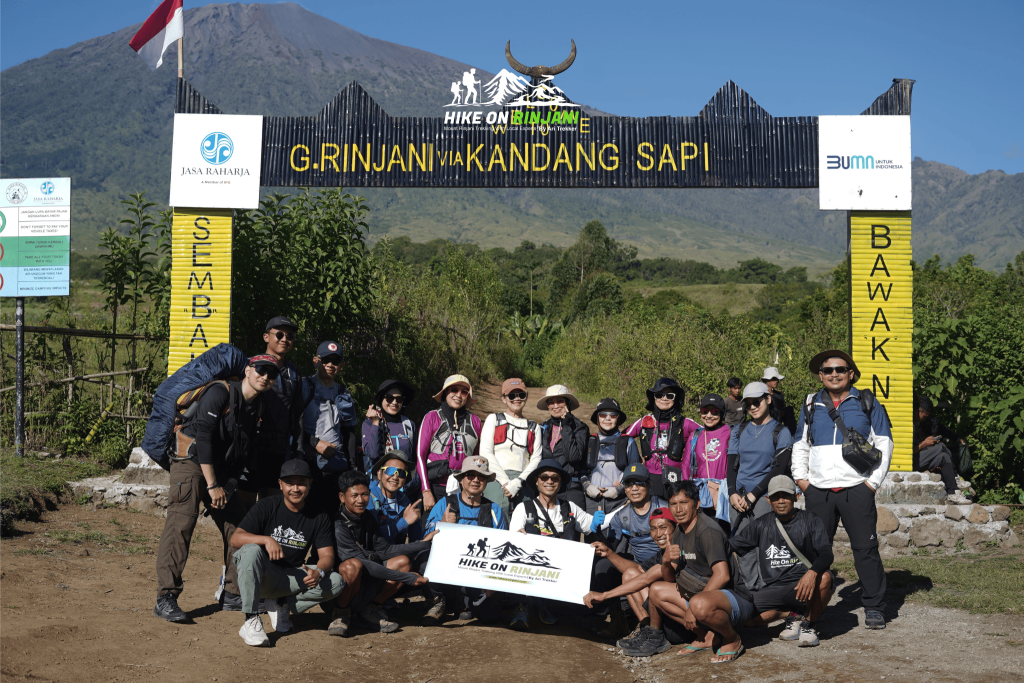
The trek typically takes 2-4 days. Popular routes include Senaru and Sembalun. Each offers unique experiences and stunning views.
Packing the right kit is crucial. Sturdy walking boots, warm clothing, and waterproof gear are must-haves. A first aid kit is also essential.
Staying hydrated is vital. Carry enough water or a filtration system. Altitude sickness can be a concern, so acclimatise properly.
Respect local customs and the environment. Practise Leave No Trace principles. This ensures the beauty of Rinjani is preserved.
The trek offers breathtaking landscapes. From the crater lake to panoramic summit views, it’s a photographer’s dream. Prepare for an unforgettable adventure.
Understanding Mount Rinjani: An Overview
Mount Rinjani stands majestically on Lombok Island in Indonesia. It is a prominent feature in the landscape, drawing adventurers from around the globe.
At an impressive height, it’s the second-highest volcano in Indonesia. The climb to its peak is both demanding and exhilarating, offering challenges and rewards.
Rinjani is part of the larger Rinjani National Park. This protected area is rich with diverse flora and fauna, showcasing Indonesia’s natural beauty.
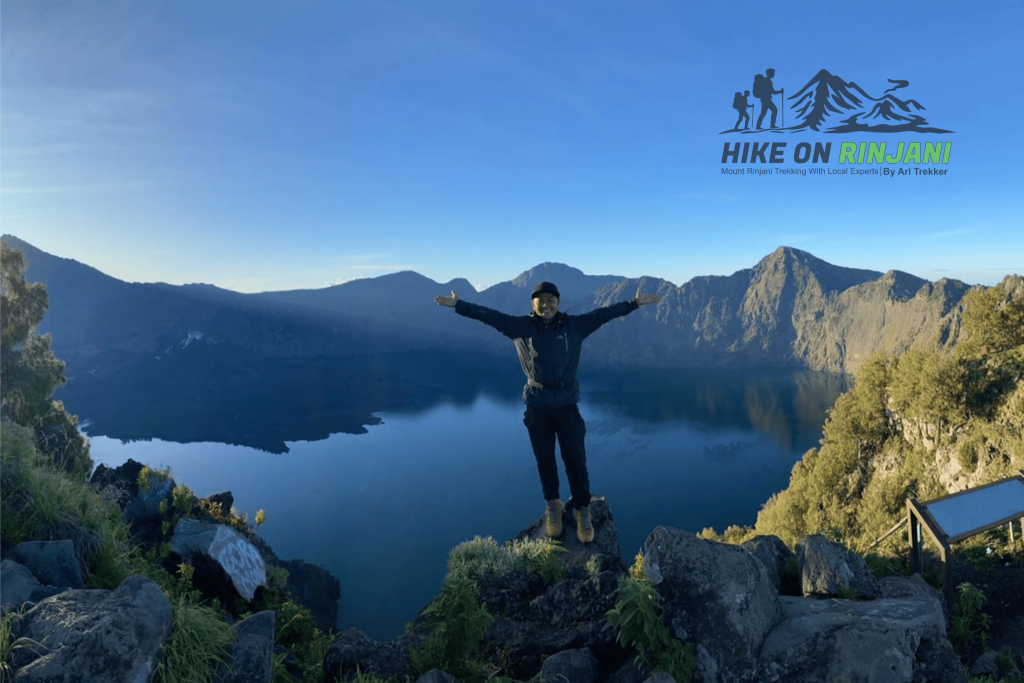
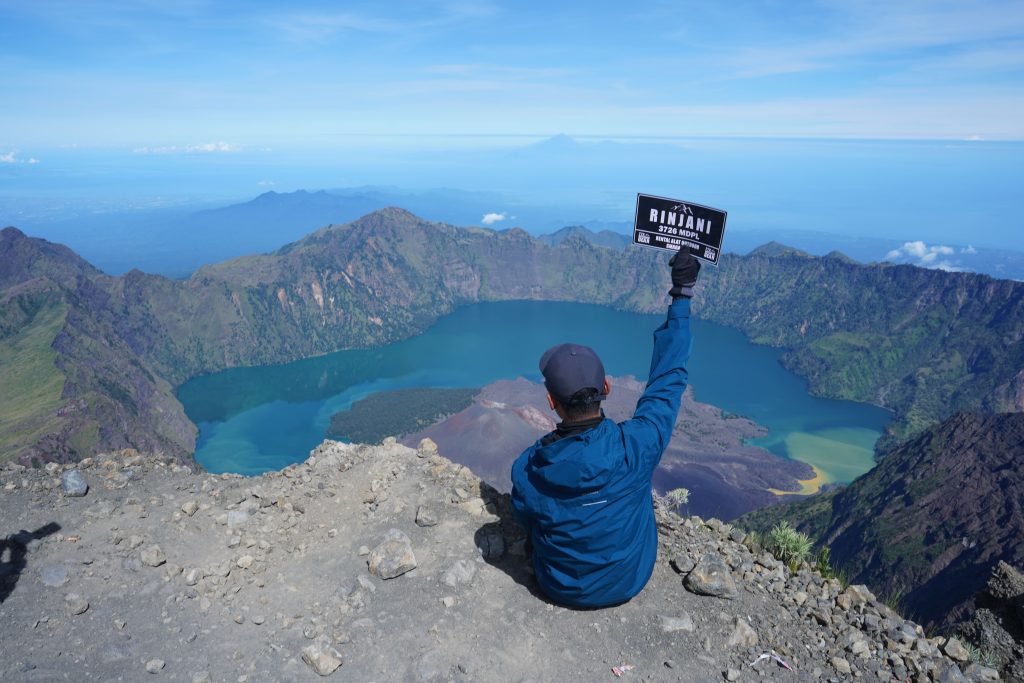
A unique feature of Mount Rinjani is Segara Anak, a stunning crater lake. It’s a popular stop for trekkers, offering serene views amidst rugged terrain.
The trek is not only about physical endurance but also about experiencing local culture. The Sasak people, indigenous to the area, add richness to the trek with their customs and stories.
Several routes lead to the summit, each with different highlights. Choosing the right path depends on personal preference, time available, and fitness level.
Key features of Rinjani include:
- Diverse trekking routes
- Rich biodiversity
- Cultural interactions with local communities
Due to its volcanic nature, Rinjani’s conditions can change rapidly. It’s important for trekkers to stay informed about current volcanic activity and weather updates.
Beyond the physical trek, Rinjani offers spiritual and cultural experiences. The journey becomes more than just a walk; it’s an exploration of Indonesia’s heritage and natural splendour.
Why Trek Mount Rinjani? The Allure and Challenges
Mount Rinjani attracts adventurers seeking both physical challenge and natural beauty. Its rugged paths test endurance and resolve in equal measure.
The allure of Rinjani lies in its breathtaking landscapes. With every step, trekkers encounter diverse terrains ranging from lush forests to barren volcanic craters.
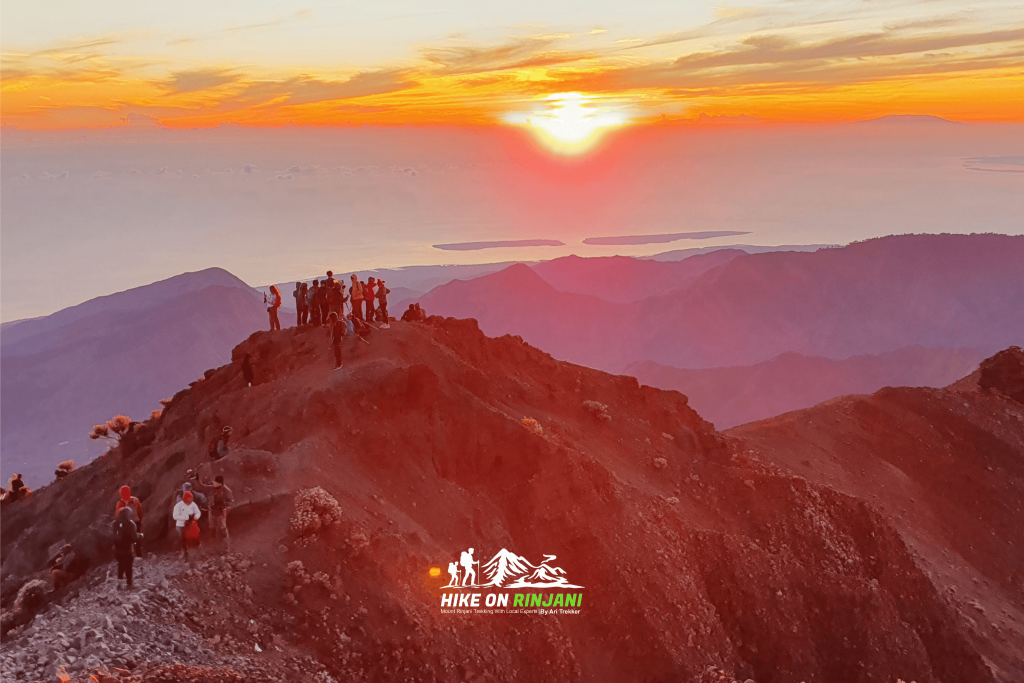
Reaching the summit at sunrise rewards with panoramic views. The sight of the sun rising over a horizon of clouds is truly unforgettable.
Despite the spectacular scenery, the trek is not easy. High-altitude conditions can be demanding, requiring physical fitness and mental strength.
Trekkers must navigate steep ascents and descents. The paths are often rocky and uneven, making sturdy footwear essential.
The varying climate adds another layer of complexity. Cold winds whip across the summit, while lower altitudes can be humid and warm.
Expectations for a Mount Rinjani trek often include:
- Physical challenges and rigorous paths
- Stunning sunrise vistas
- Diverse landscapes and altitudes
Beyond physical exertion, Rinjani offers profound cultural insights. Engaging with local Sasak traditions enriches the trekking experience.
The community’s respect for the mountain is palpable, infusing the trek with spiritual significance. This cultural connection elevates the journey from merely physical to profoundly personal.
In every challenge faced on the trek, there is an opportunity for growth. The sense of accomplishment upon completion is a testament to resilience and determination.
When to Go: Best Time for Rinjani Trekking
The optimal time to trek Mount Rinjani is during the dry season. This period extends from April to November, offering stable weather.
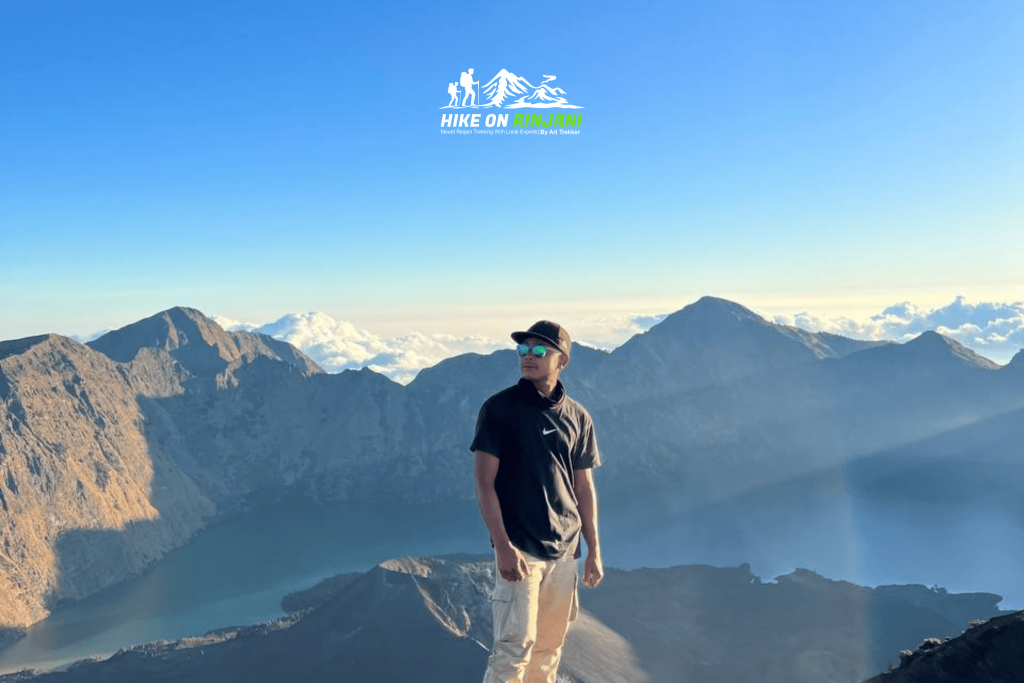
During these months, rainfall is minimal, making trails more manageable. Clear skies present stunning views of the landscapes surrounding the mountain.
In contrast, the wet season between December and March can be challenging. Heavy rains increase the risk of muddy and slippery paths.
The popularity of the dry season means it can be busy. Planning ahead ensures you secure permits and accommodation in advance.
Consider the following factors when planning your trek:
- Weather conditions and season
- Crowds and availability
- Personal schedule and travel plans
Early in the dry season, from April to June, is often ideal. Trails are less crowded, and the landscape remains lush after the rainy season.
However, trekking later in the season, between September and November, can be equally rewarding. This period sees fewer trekkers, providing a more serene experience.
Regardless of when you choose to hike, prepare for changing weather. Even in the dry season, temperatures can vary greatly between day and night.
Packing versatile layers and rain protection is crucial. Being well-prepared for the conditions enhances the safety and enjoyment of your adventure.
Choosing Your Route: Senaru, Sembalun, Torean, and More
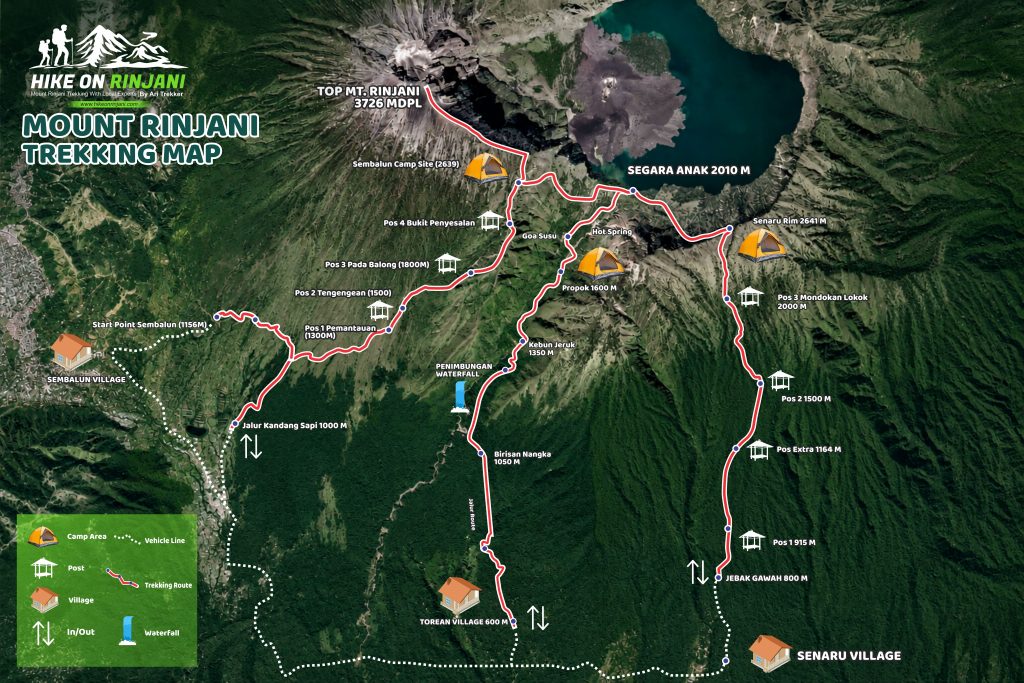
Mount Rinjani offers multiple trekking routes, each with unique experiences. Choosing the right path depends on your interests and fitness level.
The two most popular starting points are Senaru and Sembalun. Both offer distinct routes with varying difficulty and scenic views.
Senaru Route
The Senaru route starts from the village of Senaru. It’s known for its lush rainforests and gradual ascent.
This route, although longer, is favoured for its scenic beauty. The trek begins in dense jungle before reaching open savannas.
Sembalun Route
Sembalun offers a shorter, steeper path. Beginning in the savannahs, it provides breathtaking views of the volcanic landscape.
Trekking from Sembalun allows for quicker access to the summit, ideal for those with limited time. Its challenging incline demands a good fitness level.
Torean and Alternative Routes
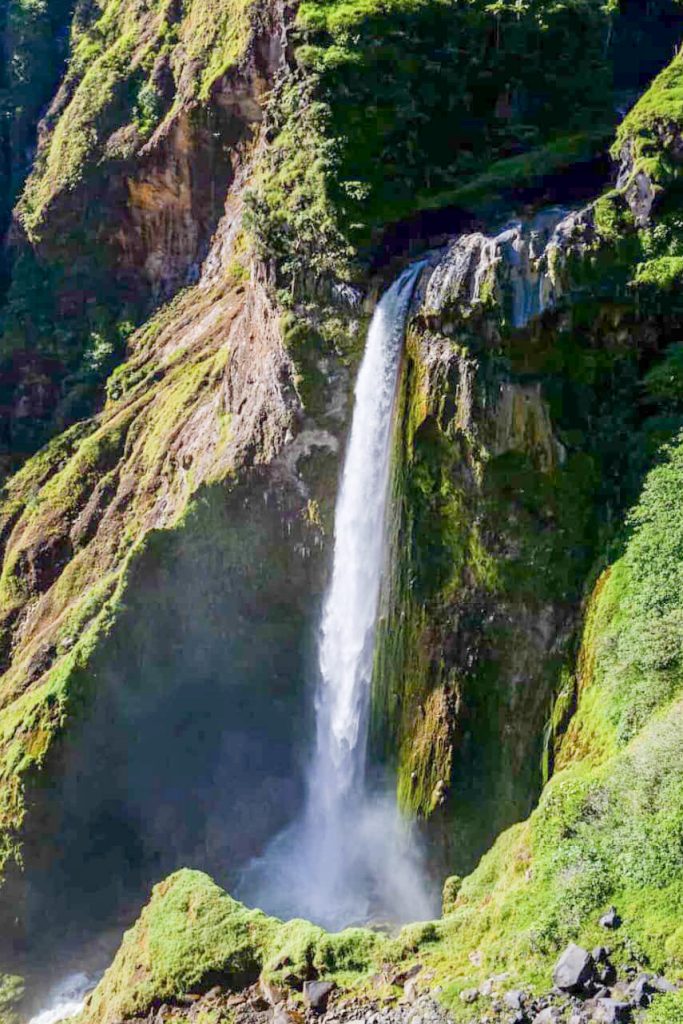
The Torean route is less travelled and offers a quieter experience. Known for its stunning ridge lines and waterfall views, it requires a guide.
Alternative paths, like the Aik Berik route, provide diverse scenery. These lesser-known routes are perfect for hikers seeking solitude.
Each route presents unique challenges and highlights, so choose based on your preferences. Preparing well ensures a rewarding trek on Mount Rinjani.
Trek Duration: 2D1N, 3D2N, 4D3N – What to Expect
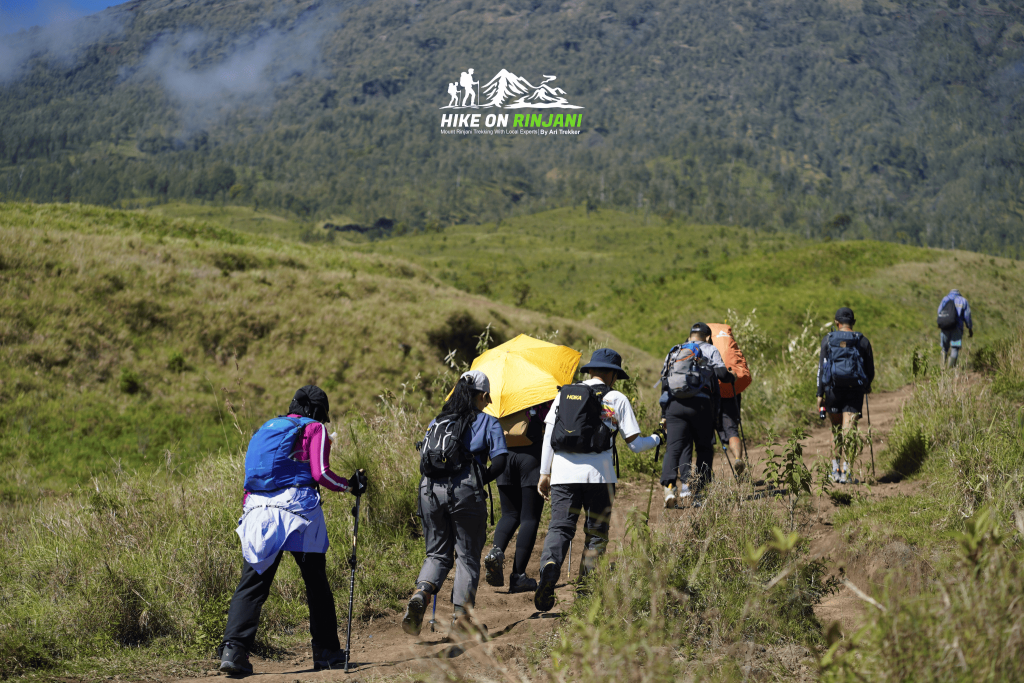
The duration of your Mount Rinjani trek significantly impacts your experience. Whether you choose a shorter or extended trek, each option has its own rewards.
2D1N Trek
A 2D1N trek is the quickest option. It requires starting early and maintaining a brisk pace. Ideal for experienced trekkers, this itinerary includes a summit attempt and an overnight stay.
The short duration means less time for acclimatisation. However, it’s perfect for those with limited time who still want to reach the summit.
3D2N Trek
The 3D2N trek is the most popular choice, balancing time and experience. This moderate itinerary allows acclimatisation with more leisurely pacing.
Expect to witness stunning sunsets and sunrises. This trek provides ample opportunity to explore Rinjani’s natural wonders, including Segara Anak Lake.
4D3N Trek
Opting for a 4D3N trek offers a more immersive experience. This extended trek is suited for nature enthusiasts wishing to savour each moment.
The extended time allows for exploration of hidden trails and longer rest stops. It’s a relaxed journey to fully appreciate the beauty of Rinjani.
Key Highlights
- Summit attempt (all durations)
- Crater rim view (3D2N, 4D3N)
- Segara Anak Lake exploration (3D2N, 4D3N)
Choosing the right duration depends on your fitness and desire to explore. Each trek length ensures memorable experiences on Mount Rinjani.
Trekking Difficulty and Physical Preparation
Mount Rinjani is known for its challenging hikes. Trekking here requires a high level of physical fitness.
The terrain ranges from lush forests to rugged volcanic landscapes. Expect steep ascents, especially near the summit.

Altitude can add to the trek’s difficulty. Acclimatisation is crucial for a safe and enjoyable experience.
Many hikers experience shortness of breath due to the elevation. It’s important to pace yourself, particularly on ascents.
Fitness Preparation
To prepare for Rinjani, build endurance. Regular cardio workouts are beneficial.
Strength training helps, too. Focus on legs and core muscles to handle the demands of the trail.
- Endurance Training: Jogging, cycling, or hiking.
- Strength Training: Squats, lunges, and core exercises.
Mental Preparation
Mental stamina is as vital as physical strength. Be prepared for long, strenuous days.
Overcoming mental hurdles is part of the Rinjani experience. A positive mindset aids immensely.
- Focus: Set realistic goals.
- Persistence: Stay motivated.
- Meditation: Practise to boost mental resilience.
Training before your trek is essential. Start months ahead to improve both physically and mentally.
Always listen to your body during the trek. Know your limits and when to rest.
Being prepared physically and mentally enhances the experience. It ensures safety and the ability to enjoy Rinjani’s beauty fully.
Permits, Entry Fees, and Regulations
Trekking Mount Rinjani requires securing the proper permits. These permits are essential for trekking legally and safely.
Obtaining a permit is straightforward. Most trekking agencies handle this process for you, including it in the trek package.

Visitors must pay entry fees to enter Rinjani National Park. These fees support conservation efforts and maintain the trails.
Understanding and following park regulations is crucial. They exist to protect the environment and ensure everyone’s safety.
Key Regulations
Here are a few regulations to keep in mind:
- Stay on the designated paths to protect natural habitats.
- Do not disturb wildlife or plant life in the park.
- Dispose of waste properly, following Leave No Trace principles.
By respecting these regulations, you help preserve the area for future hikers. Responsible trekking ensures the park remains pristine and beautiful.
Being informed about permits and regulations is part of smart planning. It also contributes to a fulfilling and sustainable trekking experience.
Booking Your Trek: Choosing a Rinjani Trekking Guide or Tour Company
Booking a trek up Mount Rinjani involves selecting the right guide or tour company. This decision impacts your experience greatly.
A good guide knows the mountain’s terrain intimately. This ensures both safety and a richer experience.

Factors to Consider
When choosing a guide or company, consider the following factors:
- Reputation: Look for reviews and testimonials from previous trekkers.
- Experience: Opt for guides with extensive experience in Rinjani trekking.
- Safety Record: A company with a strong safety record prioritises your well-being.
Beyond safety, consider what services are included in their packages. Many guides offer all-inclusive trips.
Typical Inclusions
A comprehensive trekking package might include:
- Trekking permits and entry fees
- Meals and accommodation
- Transport from gateway villages
Some companies also provide additional amenities. These can include porter services and camping gear hire.
While cost is a factor, remember that the cheapest option isn’t always the best. Value quality of service over price.
Booking early is advised, especially if planning your trip in peak season. This ensures availability and better rates.
In summary, take your time to research. Choosing the right guide enhances your Rinjani adventure, balancing safety and enjoyment.
Guides and Porters: Roles, Tips, and Tipping
Guides and porters play essential roles in a Mount Rinjani trek. Their expertise ensures safety and enhances the experience.
A guide leads the way, providing valuable insights about the terrain and local culture. They are a source of knowledge about the mountain’s features.
Porters handle the logistics. They carry gear, prepare camps, and cook meals, easing the load for trekkers.
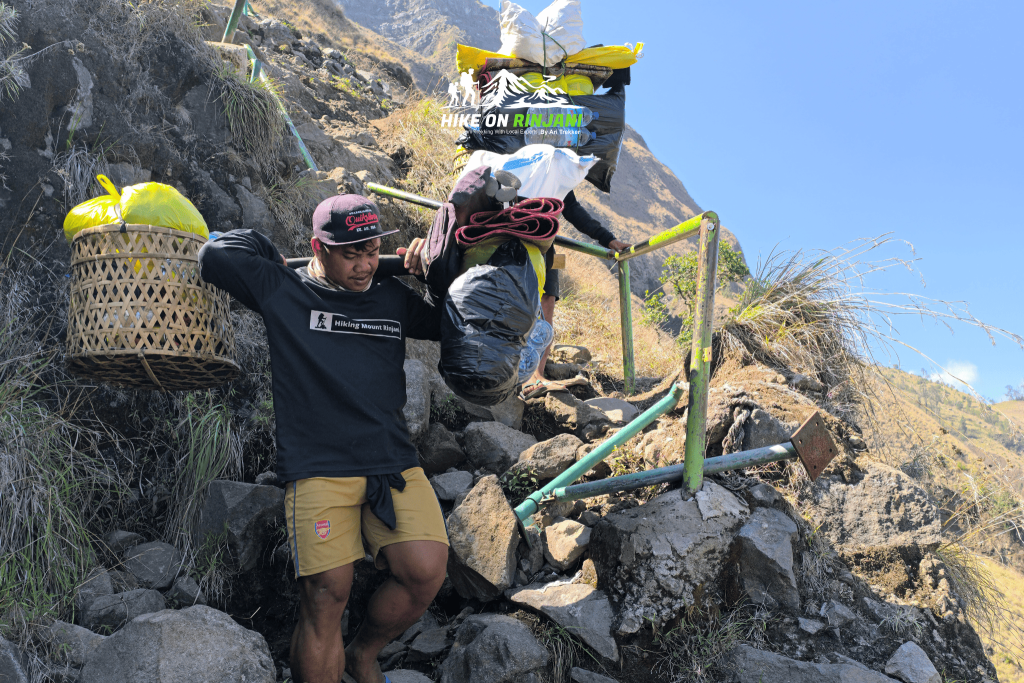
Understanding Their Roles
It’s crucial to understand the distinct roles of guides and porters:
- Guides: They ensure your safety, navigate the routes, and share historical knowledge.
- Porters: They transport equipment, set up camps, and manage food supplies.
These services enhance your trekking experience, allowing you to focus on the journey. Opting for porters helps you tackle the trek’s challenges with less burden.
Tips for Trekkers
Communicate clearly with your guide and porters. Discuss expectations and any support needs, accessibility requirements, dietary requirements, or medical considerations before the trek begins.
Tipping is customary as a gesture of appreciation. The amount varies but usually reflects the level of service provided.
Consider a fair tip per day for each, showing gratitude for their hard work. Their support is invaluable in making the trek smoother and more enjoyable. By respecting and appreciating their work, you contribute to a positive trekking culture.
Essential Packing List for Mount Rinjani
Packing smartly can make your Mount Rinjani adventure comfortable and safer. It’s crucial to bring the right gear and essentials.
Begin by considering the varying weather conditions. The temperatures can drop significantly at higher altitudes.
Pack light, but ensure you have everything necessary for a multi-day trek. Efficient packing is key.
Start with clothing and footwear. They should cater to both the cold and warm weather conditions.
Include gear and accessories that support the trek. Items like a quality rucksack or walking poles are essential.
Personal essentials shouldn’t be overlooked. Items that ensure hygiene and personal care are vital.
A well-prepared first aid kit is indispensable. It can address minor injuries or ailments during the hike.
Simplicity is your ally when packing for Rinjani. Prioritise multipurpose items to reduce weight.
Staying organised is fundamental. Use packing cubes or bags to compartmentalise items.
By being thorough with your packing, you’ll be well-prepared for the challenges of Mount Rinjani.
Clothing and Footwear
Proper clothing is fundamental for this trek. Layering is ideal to adapt to changing weather.
Start with a base layer that wicks moisture away. It helps keep you dry.
A warm jacket and rainproof outerwear will protect against cold and rain. Don’t forget sturdy hiking boots.
Here’s a quick checklist for clothing and footwear:
- Moisture-wicking base layers
- Insulating jacket
- Waterproof jacket
- Sturdy walking boots
- Comfortable socks
Ensure your boots are well broken in. This will help avoid blisters and discomfort.
Gear and Accessories
Packing the right gear is crucial. They enhance both safety and comfort.
A durable rucksack to carry your essentials is a must. Trekking poles aid stability on rugged terrains.
Consider these gear items as part of your packing list:
- Reliable rucksack
- Trekking poles
- Headtorch with extra batteries
- Lightweight tent (if not provided by your guide)

Be prepared for all situations. Items like a headtorch are useful for early starts or emergencies.
Personal Essentials and First Aid
Personal care items are just as important. They ensure hygiene on the trail.
Bring a small first aid kit. It’s essential for treating minor injuries or ailments during the trek.
Pack these personal essentials:
- Sunscreen and lip balm
- Toiletries (toothbrush, biodegradable soap)
- First aid kit (plasters, antiseptic, pain relief)
- Personal ID and permits
These items are vital for your well-being. Don’t overlook small necessities that contribute to a successful trek.
Food, Water, and Staying Hydrated on the Trek
Adequate nutrition and hydration are crucial when trekking Mount Rinjani. The physical exertion requires fuelling your body appropriately.
Most trekking packages include meals. These are often simple but high in energy to keep you going.
Plan for snacks between meals. Energy bars, nuts, and dried fruits provide quick boosts without adding much weight.
Water is perhaps more vital than anything else. Dehydration can strike unexpectedly, especially at higher altitudes.
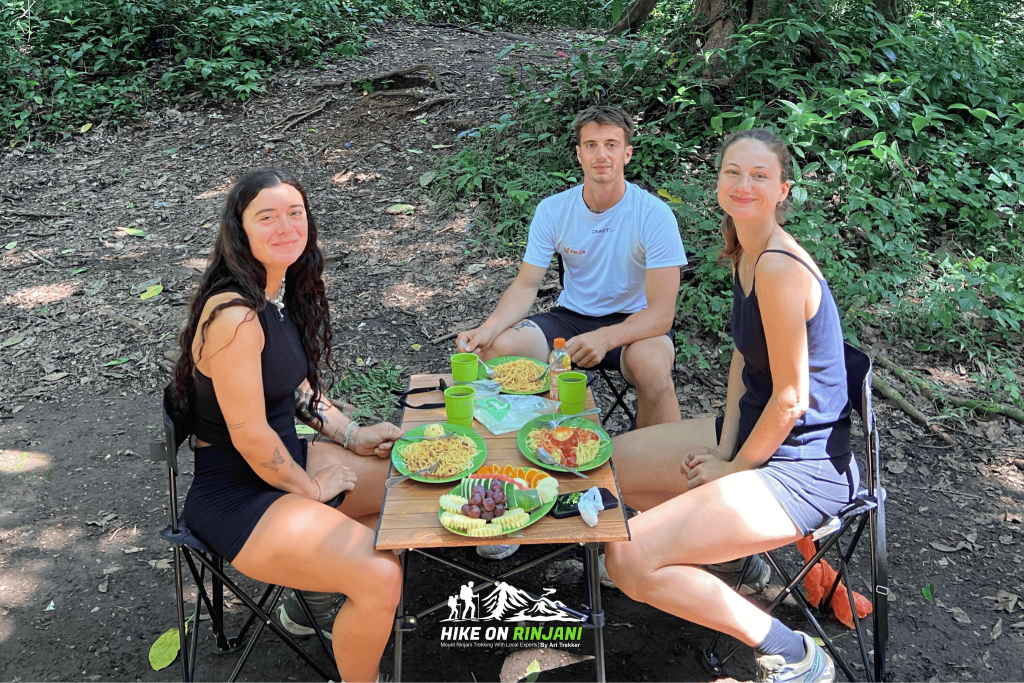
Ensure you have a reliable method for water purification. Carry enough water or use a filtration system to refill.
Consider preparing with a list of essential food and hydration items:
- High-energy snacks (energy bars, trail mix)
- Water bottles with a capacity of at least 2 litres
- Portable water filter or purification tablets
- Electrolyte tablets or drink powders
Drinking regularly is key. Sip water throughout the day to maintain hydration and energy levels.
By adequately planning your food and water supplies, you’ll be equipped for the demands of the trek, ensuring safety and endurance.
Accommodation: Camping and Village Stays
Trekking Mount Rinjani offers a unique choice of accommodations. You can camp on the mountain or stay in nearby villages.
Camping on Mount Rinjani is an unforgettable experience. Imagine sleeping under a blanket of stars, surrounded by nature’s serene sounds.
Trekkers often camp in designated spots along the route. This allows for early starts and breathtaking sunrises at the summit.
If you prefer more comfort, consider staying in local villages. Senaru and Sembalun are popular choices offering various homestays and lodges.

Village stays offer a cultural experience. You can interact with locals, taste traditional cuisine, and enjoy a warm bed after a day of trekking.
Here’s a quick list to guide your accommodation choice:
- Camping: For those who seek adventure and wish to immerse themselves in nature.
- Village Stays: For comfort-seekers interested in local culture.
- Combo: Some trekkers start by camping and relax in a village post-hike.
Choosing the right accommodation will enhance your trekking experience. Consider your comfort level and the experience you desire when making your decision.
Getting to Mount Rinjani: Transport and Gateway Villages
Reaching Mount Rinjani is an adventure in itself. The journey begins on Lombok Island, accessible via flights or ferries. Once on the island, travellers can choose from several transport options.
From Lombok’s main towns, such as Mataram, taxis or private drivers offer convenient rides to the gateway villages. These villages serve as the starting point for Rinjani treks.
Senaru and Sembalun are the primary gateway villages. They are well-equipped to welcome trekkers with essential supplies and last-minute gear hire.

Bus services are also available for budget-conscious travellers. Be prepared for longer travel times and less comfort compared to private transport.
To simplify your travels, consider this quick guide:
- Flights: To Lombok International Airport from Bali or Jakarta.
- Ferries: From Bali’s Padang Bai to Lembar or Bangsal.
- Taxis/Private Cars: Directly to Senaru or Sembalun.
- Buses: Affordable yet time-consuming.
Choosing the right transport ensures a stress-free start to your trek. Plan your route based on your schedule and preferred comfort level to optimise your travel experience.
Safety Tips: Altitude, Weather, and Emergency Preparedness
Safety is paramount when trekking Mount Rinjani. Proper preparation helps mitigate risks associated with altitude and changing weather conditions. Awareness and readiness can prevent accidents and ensure a safe trek.

Altitude Considerations:
Mount Rinjani’s elevation can lead to altitude sickness. Symptoms include headaches, nausea, and dizziness. Ascend gradually to acclimatise. Stopping at intervals helps your body adjust. Rest if symptoms persist.
- Hydration: Essential for combating altitude effects.
- Diet: Eat high-calorie snacks for energy.
Weather Preparedness:
Weather can change rapidly. Prepare for all conditions. At higher altitudes, temperatures drop significantly, and sudden rainstorms can occur.
- Clothing: Layered clothing allows for temperature adjustments.
- Rain Gear: Keep dry with a waterproof jacket or poncho.
Emergency Preparedness:
In emergencies, quick action is crucial. Know the emergency procedures and locations of help stations. Carry essentials that could aid in a crisis.
Key items to pack include:
- First Aid Kit: Including plasters, antiseptic wipes, and pain relievers.
- Whistle: Useful for signalling during visibility issues.
Carry the contact number of your guide and inform someone of your itinerary. Guides are trained for emergencies and can assist if needed.
Regularly check weather forecasts before your departure. Avoid starting if conditions are hazardous. Your safety is a shared responsibility; remain vigilant and informed throughout your trek. Awareness and preparedness are your allies against potential threats.
Environmental Responsibility and Leave No Trace
Protecting Mount Rinjani’s environment is crucial for its sustainability. Walkers play a vital role in conserving this natural wonder. Respect for nature ensures its beauty for future visitors.

Leave No Trace Principles:
Adhering to these principles minimises human impact. Carry out everything you bring in. Dispose of rubbish properly. Even biodegradable items should be packed out. These actions prevent pollution and preserve ecosystems.
Stay on Designated Paths:
Wandering off-trail damages fragile plant life. Stick to established paths to reduce soil erosion. Respect barriers and warning signs put in place to protect both yourself and the environment.
- Plan Ahead: Familiarise yourself with park rules and routes.
- Travel in Small Groups: Minimises trail wear and disturbances.
Interact with Wildlife Carefully:
Observe animals from a distance to prevent causing them stress. Feeding wildlife can alter their natural behaviours and diet. Secure food in containers to deter inquisitive animals. Human interactions should never disrupt their habitat.
Educate fellow walkers about sustainable practices. Sharing knowledge reinforces habits that protect the mountain. By consciously practising environmental responsibility, walkers help maintain Mount Rinjani’s pristine landscapes. Your efforts contribute significantly to the ongoing conservation of this stunning locale.
Cultural Etiquette and Interacting with Locals
Respecting local culture enriches your Mount Rinjani experience. The Sasak people, native to Lombok, welcome curious trekkers. Understanding their customs aids in creating meaningful exchanges.

When interacting with locals, dress modestly. This demonstrates respect and consideration for their cultural norms. Simple gestures like a friendly smile are universally appreciated and foster goodwill.
Learning a few basic phrases in Bahasa Indonesia can enhance connections. Locals appreciate efforts to speak their language, even if just greetings or thanks. It opens doors to deeper cultural interaction.
- Greet politely: Use “Selamat pagi” for good morning.
- Listen actively: Show interest in stories shared.
- Be mindful: Always ask before taking photos.
Cultural awareness enhances your trek. Engaging respectfully with locals rewards you with insights into their way of life. Respect nurtures friendships and leaves lasting positive impressions, making the journey more fulfilling.
Photography and Capturing the Experience
Photography is a rewarding part of trekking Mount Rinjani. The landscape offers many stunning sights. Sunrise at the summit provides breathtaking views, perfect for capturing.

Use early morning light to your advantage. Soft, natural lighting enhances landscape photos. It highlights the volcanic peaks and serene lake. Timing and planning are key.
Experiment with angles to capture unique perspectives. Include foreground elements like rocks or wildflowers. This adds depth and context to your images.
- Pack light: Bring only essential gear.
- Protection: Keep your camera safe from the weather.
- Spare batteries: Cold temperatures can drain them quickly.
Document your journey by including fellow walkers. Candid moments with locals bring personality to your photos. Every click preserves memories from an unforgettable adventure.
After the Trek: Recovery, Local Cuisine, and Exploring Lombok
Completing the Mount Rinjani trek is a profound achievement. Input (American English):
Afterward, your body will need rest and recovery. Take time to relax and allow muscles to heal.
Exploring local cuisine is a great way to recover. Lombok offers a variety of traditional dishes worth trying. Spicy rendang and savory satay are must-tries.

Beyond gastronomy, Lombok has much to explore. Pristine beaches and lush rice fields await discovery. Nature’s beauty extends far beyond the mountain trek itself.
Consider a leisurely visit to local villages. Immerse yourself in Sasak culture and their warm hospitality. Embrace the island’s peaceful rhythm.
- Recovery: Rest and hydrate.
- Cuisine: Explore local flavors.
- Activities: Relax and enjoy the scenery.
Embrace both rest and adventure after your journey. Lombok provides an ideal setting to unwind and reflect on an incredible experience.
Frequently Asked Questions for Mount Rinjani Hikers
Many hikers seek answers before embarking on the Mount Rinjani trek.
Output (British English):
Afterwards, your body will need rest and recovery. Take time to relax and allow muscles to heal.
Exploring local cuisine is a great way to recover. Lombok offers a variety of traditional dishes worth trying. Spicy rendang and savoury satay are must-tries.
Beyond gastronomy, Lombok has much to explore. Pristine beaches and lush rice fields await discovery. Nature’s beauty extends far beyond the mountain trek itself.
Consider a leisurely visit to local villages. Immerse yourself in Sasak culture and their warm hospitality. Embrace the island’s peaceful rhythm.
- Recovery: Rest and hydrate.
- Cuisine: Explore local flavours.
- Activities: Relax and enjoy the scenery.
Embrace both rest and adventure after your journey. Lombok provides an ideal setting to unwind and reflect on an incredible experience.
Frequently Asked Questions for Mount Rinjani Hikers
Many hikers seek answers before embarking on the Mount Rinjani trek. Here are common questions to help prepare for this adventure.
How difficult is the trek?
The trek is challenging, requiring good fitness levels. Steep, rocky terrain and high altitudes add complexity.
What’s the ideal time for trekking?
The dry season, from April to November, is best. Weather conditions are more stable, minimising risks.
What should I pack?
- Clothing: Layered outfits, warm jackets
- Gear: Walking boots, headtorch, trekking poles
Is a guide necessary?
Yes, a local guide is highly recommended. They provide valuable insights and enhance safety on the trails.
Can altitude sickness affect hikers?
Altitude sickness is a risk due to high elevations. Gradual ascent and hydration can mitigate symptoms.
- Essentials: First aid kit, water filter
- Food: Energy snacks, electrolytes
Are porters available for hire?
Porters can assist with carrying heavy equipment, easing the burden. Hiring them supports local communities.
What permits are required?
Permits are mandatory and usually arranged by your trekking agency. Ensure compliance to avoid complications.
These questions address common concerns for Mount Rinjani hikers. Proper preparation enhances enjoyment and safety, making the trek a memorable experience. Always gather up-to-date information and consult your trekking guide if unsure about any aspect of the trip.
Final Thoughts: Making the Most of Your Mount Rinjani Adventure
Climbing Mount Rinjani is not just a trek; it’s an unforgettable journey. The views, challenges, and cultural richness make it unique.
To fully enjoy the experience, preparation is essential. Familiarise yourself with the terrain and pack wisely. This ensures a smoother trek.
Consider these final tips to enhance your adventure:
- Respect local customs
- Stay mindful of your environmental impact
- Embrace the challenges and cherish every moment

Remember to pace yourself as you ascend. Listen to your body and take breaks as needed. Enjoy the stunning vistas and breathe in the fresh mountain air.
Lastly, connect with fellow trekkers and locals. These interactions create lasting memories and enrich your journey. Whether it’s your first trek or you’re seasoned, Mount Rinjani promises both inspiration and challenge. Embrace it with an open heart and spirit of adventure.